PROCYSBI is the only CDT with 12-hour dosing
Controlling cystine levels is crucial to limiting damage that may be caused by cystinosis. With regular cystine-depleting therapy (CDT) use, some damage to organs may be stabilized or delayed.1-3
Meet Hannah. Like many college students, she loves music, being outdoors, and spending time with her friends.
Hannah also has nephropathic cystinosis, a rare, genetic disorder. She was diagnosed when she was only 15 months old.
Let’s take a closer look into how this condition affects the body.
Cystinosis is a rare, autosomal recessive lysosomal storage disorder that results in accumulation of crystallized cystine within lysosomes throughout the body.
Nephropathic cystinosis is the most common and most severe form of the disease.
In nephropathic cystinosis, a defect in the lysosomal cystine transporter, cystinosin,…
…results in lysosomal accumulation of the amino acid cystine, which forms crystals and affects cells…
…in every organ and tissue of the body.
Progressive damage to organs and tissues throughout the body can cause renal disease, rickets, photophobia, hypothyroidism, diabetes, renal failure, myopathy, and pulmonary dysfunction.
Cystine accumulation begins in utero, causing renal cell damage and symptoms of Fanconi syndrome by 4 to 6 months of age. Without treatment, this may lead to end-stage renal disease within 10 years. Organ damage is irreversible, but it can be delayed with early intervention…
…and treatment with cystine-depleting therapy, such as PROCYSBI (cysteamine bitartrate) delayed-release capsules and delayed-release oral granules.
Cystine-depleting therapy, or CDT, is currently the only treatment available for removing cystine from the body. CDT reduces the accumulation of cystine within the cells when taken at the same times and the same way every day.
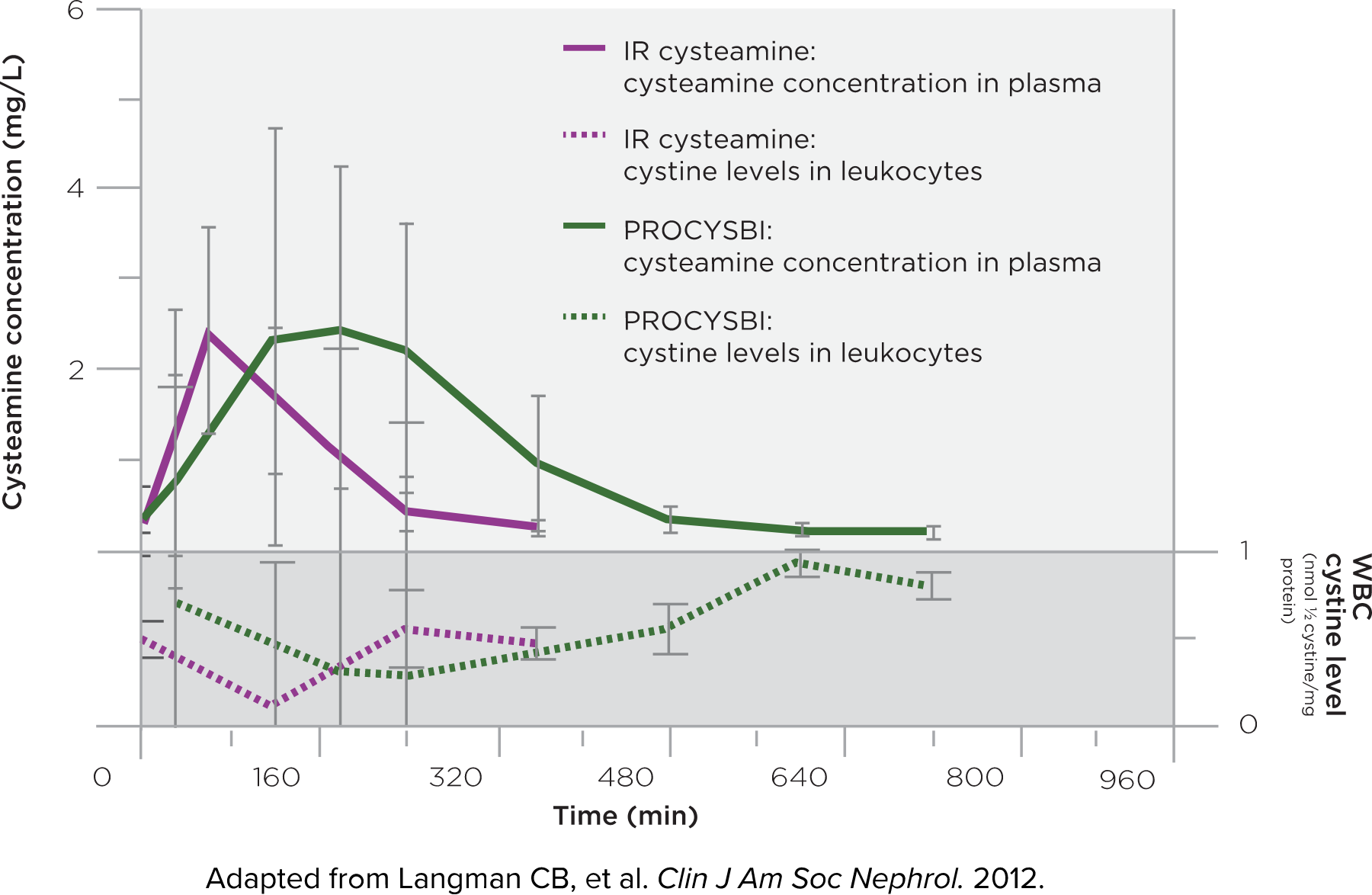
PROCYSBI is designed to provide continuous cystine control over 12 hours.
PROCYSBI capsules and packets contain granules, also called microbeads, composed of cysteamine bitartrate surrounded by an acid-resistant enteric coating.
The coated microbeads allow cysteamine bitartrate to pass through the acidic environment of the stomach and dissolve in the more alkaline environment of the small intestine.
Delayed release allows cystine levels to remain within therapeutic range for 12 hours. For PROCYSBI to work properly, the cysteamine bitartrate in the microbeads must release only into the small intestine.
To prevent the microbeads from dissolving in the stomach, the gastric environment must be acidic.
Certain foods and drinks can raise gastric pH, causing the medicine to release too soon in the stomach.
This can cause gastrointestinal distress, such as abdominal pain, nausea, and vomiting. They can also alter the pharmacokinetic properties and effectiveness of PROCYSBI.
This is why PROCYSBI capsules should be administered with high-acidity drinks, such as water or fruit juice (except grapefruit juice), and PROCYSBI granules mixed with applesauce or berry jelly—to ensure that gastric pH levels remain low.
Drugs that increase gastric pH, such as antacids containing bicarbonate or carbonate, may cause PROCYSBI to release prematurely into the stomach.
Patients should take PROCYSBI at least 1 hour before or after medicines containing bicarbonate or carbonate, or other types of antacids. Taking omeprazole with PROCYSBI does not affect the pharmacokinetics of cysteamine when PROCYSBI is taken with orange juice or water.
Advise your patients to avoid high-fat foods right before or after taking PROCYSBI because they may decrease absorption.
Alcohol may increase the rate of cysteamine release and/or adversely alter the pharmacokinetic properties of PROCYSBI, affecting its effectiveness and safety, and therefore should be avoided.
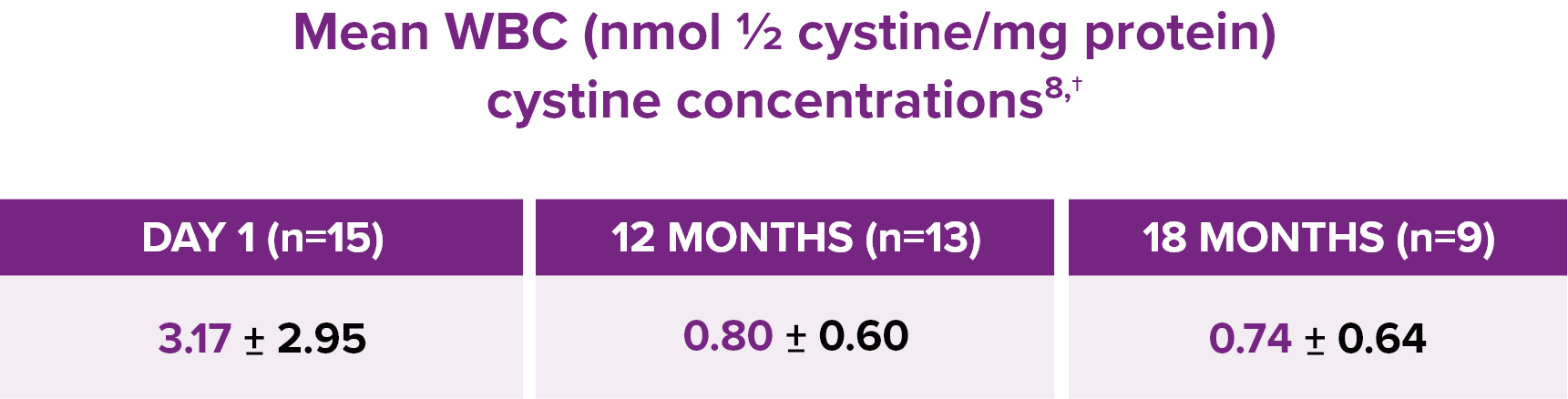
Routine monitoring of cystine levels in the white blood cells is required to determine an effective dose for your patient. Obtain WBC cystine concentration 2 weeks after starting PROCYSBI. Once the therapeutic target is achieved, continue monitoring monthly for treatment-naïve patients and quarterly for switch patients. Patients should then be monitored twice a year at minimum.
Due to the constant toxic accumulation of cystine, consistent adherence to PROCYSBI is essential for continuous cystine control.
Without regular treatment, cystine will continue to accumulate and cause organ and tissue damage throughout the body. Even brief interruptions in dosing can result in a rapid return to toxic levels of cystine.
Hannah: We all have busy lives, and it can be hard to balance your treatments with your personal life, especially if you’re feeling fine!
But I know it’s important, so I create a schedule that works for me and set alarms to remind me when it’s time to take my PROCYSBI.
I always take my PROCYSBI capsules the same way, with water, at the same times every day. My doctor helped me to come up with a meal plan that works best for me, too.
Taking charge of my cystinosis at a young age has definitely helped me to become more responsible and independent. But I know there’s always a group of people around me who support me.
Cystinosis doesn’t define me, I define cystinosis!
Ensuring that your patients understand how to take PROCYSBI correctly will help them to get the maximum benefit from their treatment.
Contact your Horizon representative for more information.
The Role of PROCYSBI
PROCYSBI is a cystine-depleting therapy (CDT) and is the first and only FDA-approved treatment indicated for cystinosis with 12-hour dosing.4 The formulation of PROCYSBI is driven by cysteamine bitartrate, a crucial element in managing lysosomal storage disorders such as nephropathic cystinosis.5 Cysteamine significantly depletes intracellular cystine by converting it into cysteine and cysteine-cysteamine mixed disulfide, both of which can exit the lysosome.
How it works: Proprietary formula allows release in the small intestine4-6
PROCYSBI granules, also called microbeads, are composed of cysteamine bitartrate surrounded by an acid-resistant enteric coating. The microbeads release cysteamine gradually, which are designed to provide 12 hours of continuous cystine control.4-8
The coating of the microbeads gradually dissolves to help control the release of the cysteamine bitartrate into the alkaline small intestine and bypass absorption by the acidic stomach.4-6
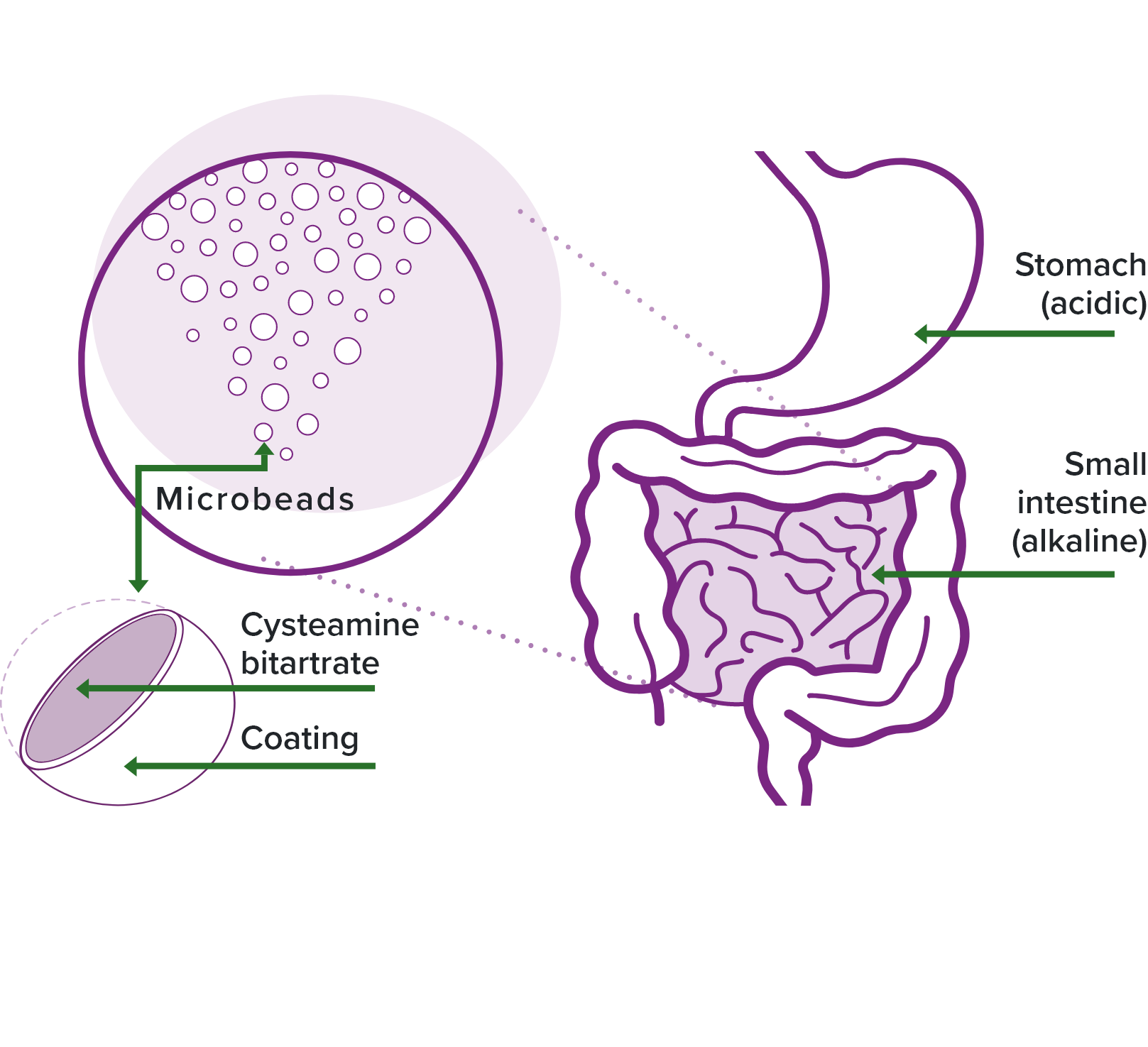
As the microbeads gradually release cysteamine bitartrate in the small intestine, PROCYSBI is designed to control cystine levels over the dosing interval.4-6
PROCYSBI and the stomach
- Some medicines, including those that contain bicarbonate or carbonate, may change the acid level in the stomach. PROCYSBI must be taken 1 hour before or after these medicines.8
- Consumption of alcohol with PROCYSBI may increase the rate of cysteamine release and/or adversely alter the pharmacokinetic properties, effectiveness, and safety of PROCYSBI.8
Certain food and drinks can cause a patient’s stomach acid level to be too low, which can cause the microbeads to release too soon and be absorbed in the stomach.8
Understanding Lysosomal Storage Disorder Cystinosis
Lysosomal storage disorders encompass a group of rare genetic conditions characterized by the accumulation of substances, such as amino acids, within cells, leading to diverse symptoms and organ damage.4 Cystinosis disrupts the body’s ability to process cystine, resulting in its buildup within cells, notably in the kidneys, often leading to renal failure and the need for a kidney transplant.1,9
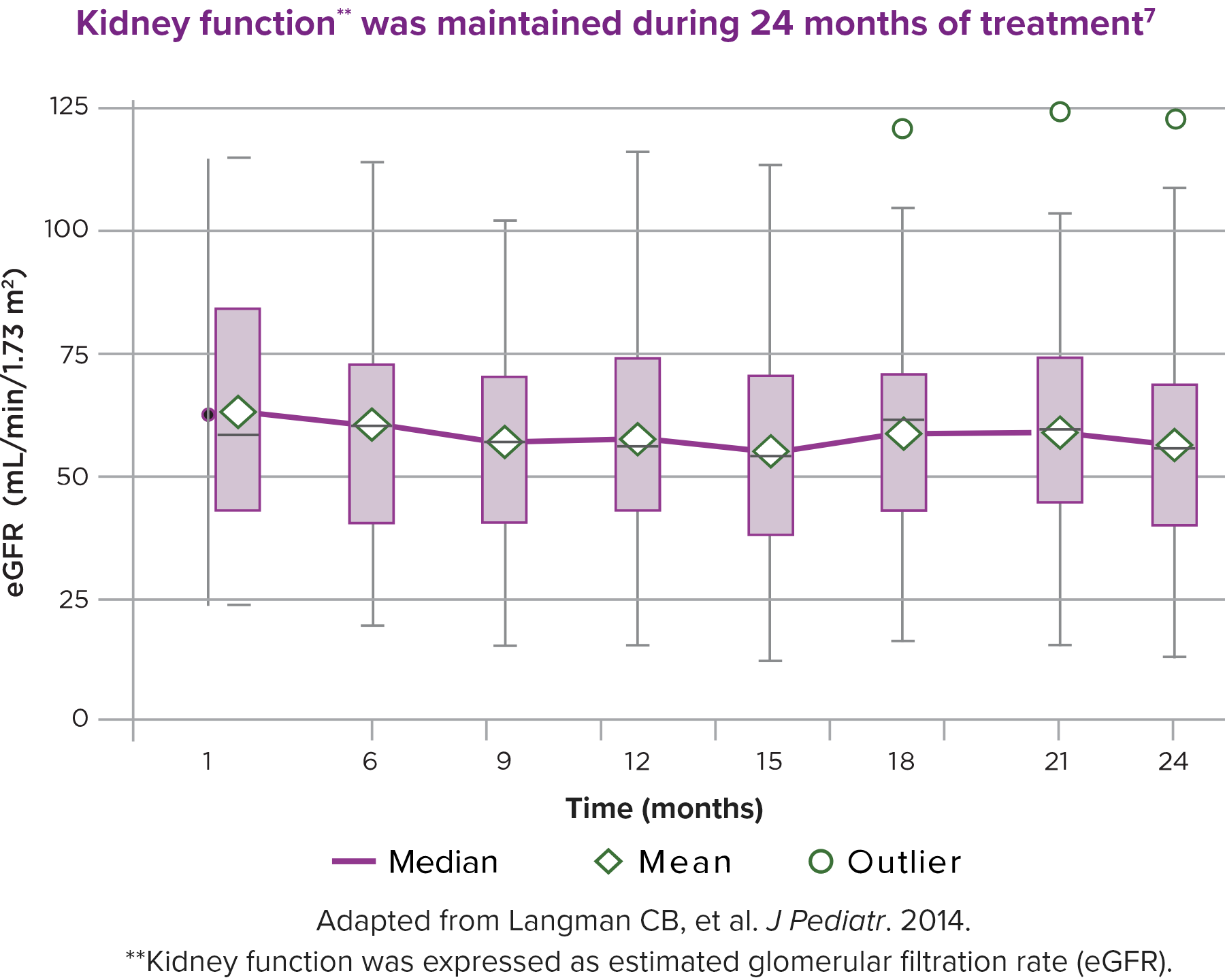
Cysteamine lowers intra-lysosomal cystine by reacting with cystine to form free cysteine and a mixed disulfide. Consistent use of cysteamine can slow down the progression toward kidney failure in individuals with cystinosis.6